Retaining Walls Too Close to the House? Here's the Fix
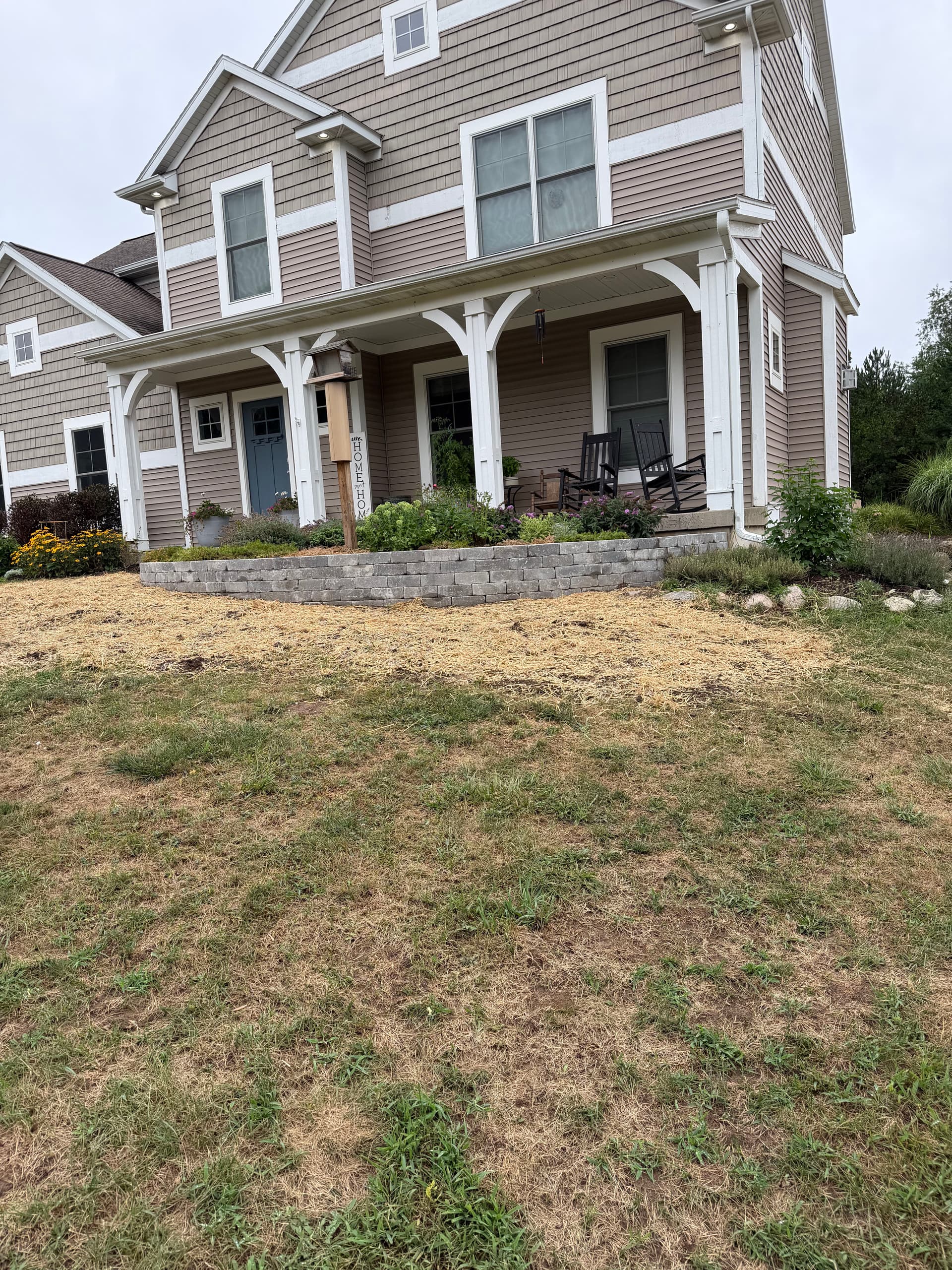
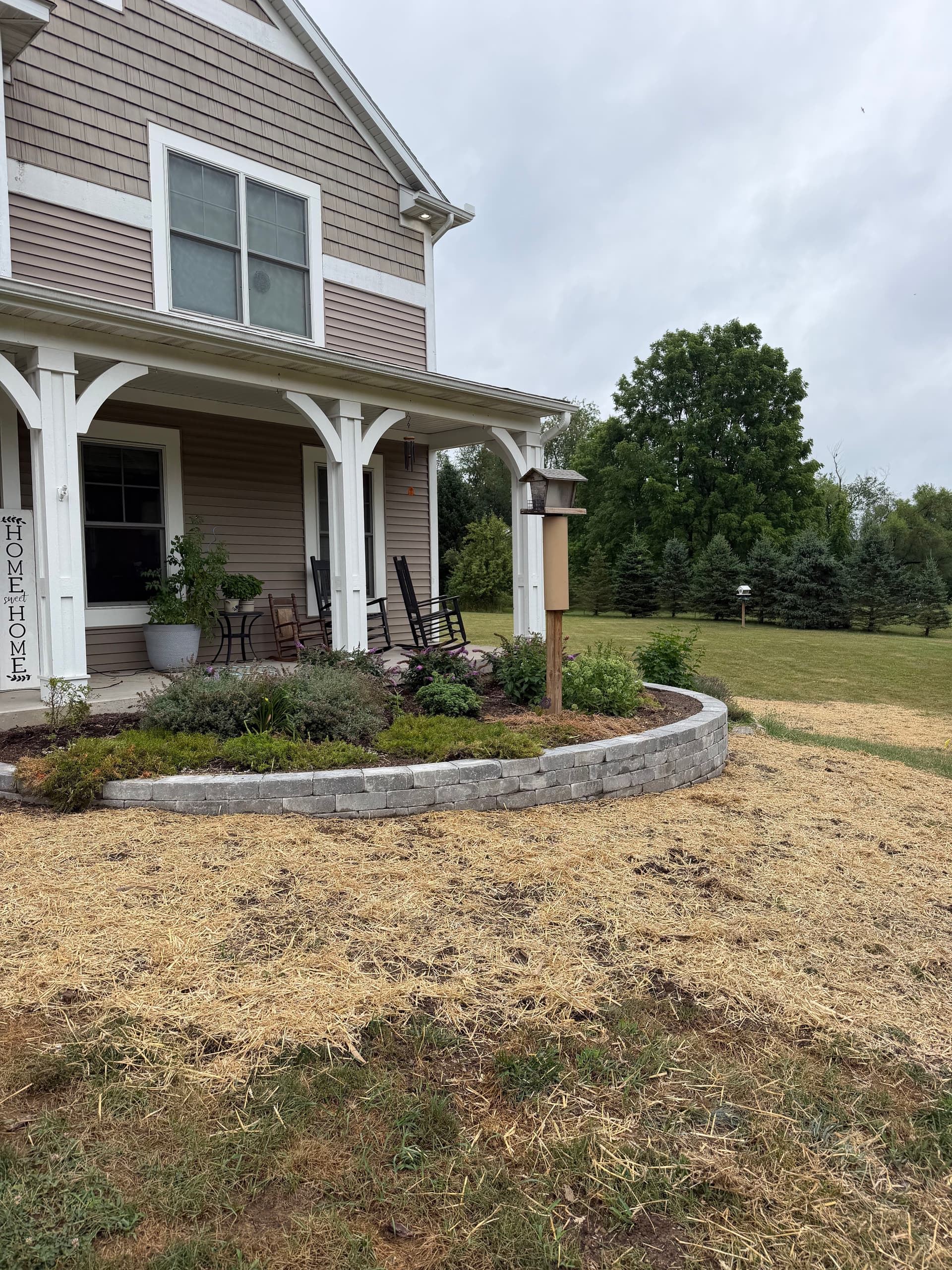
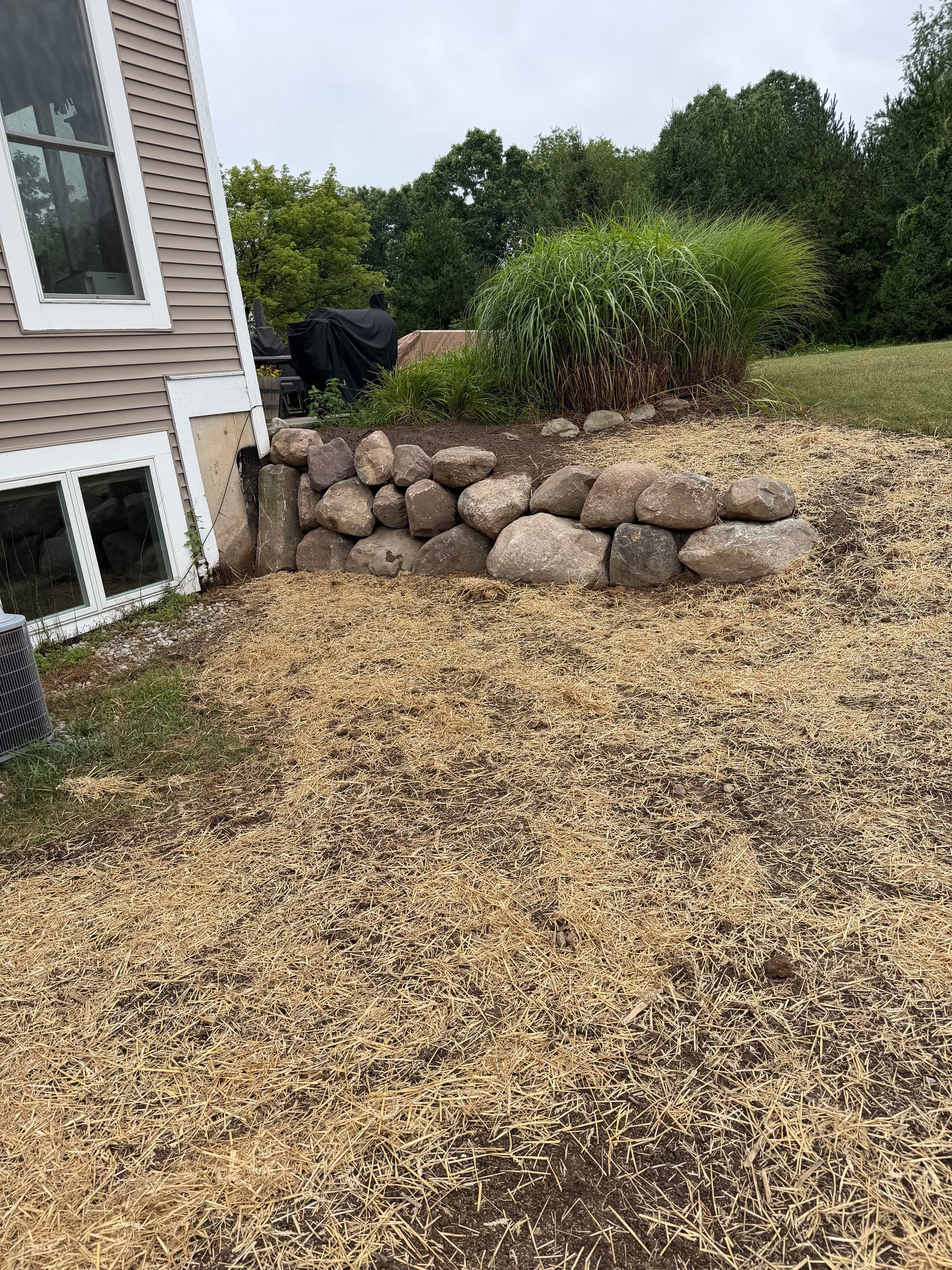
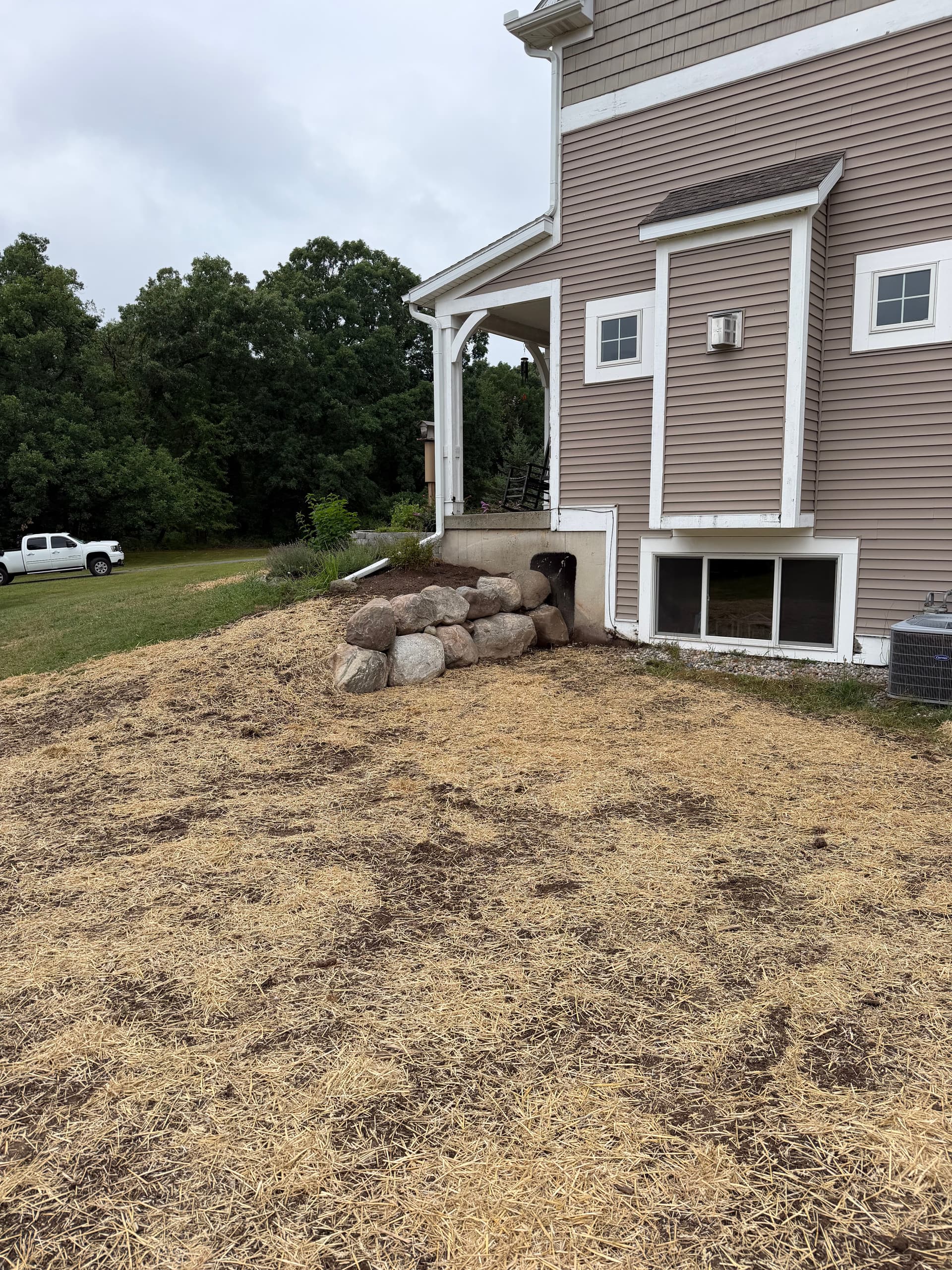
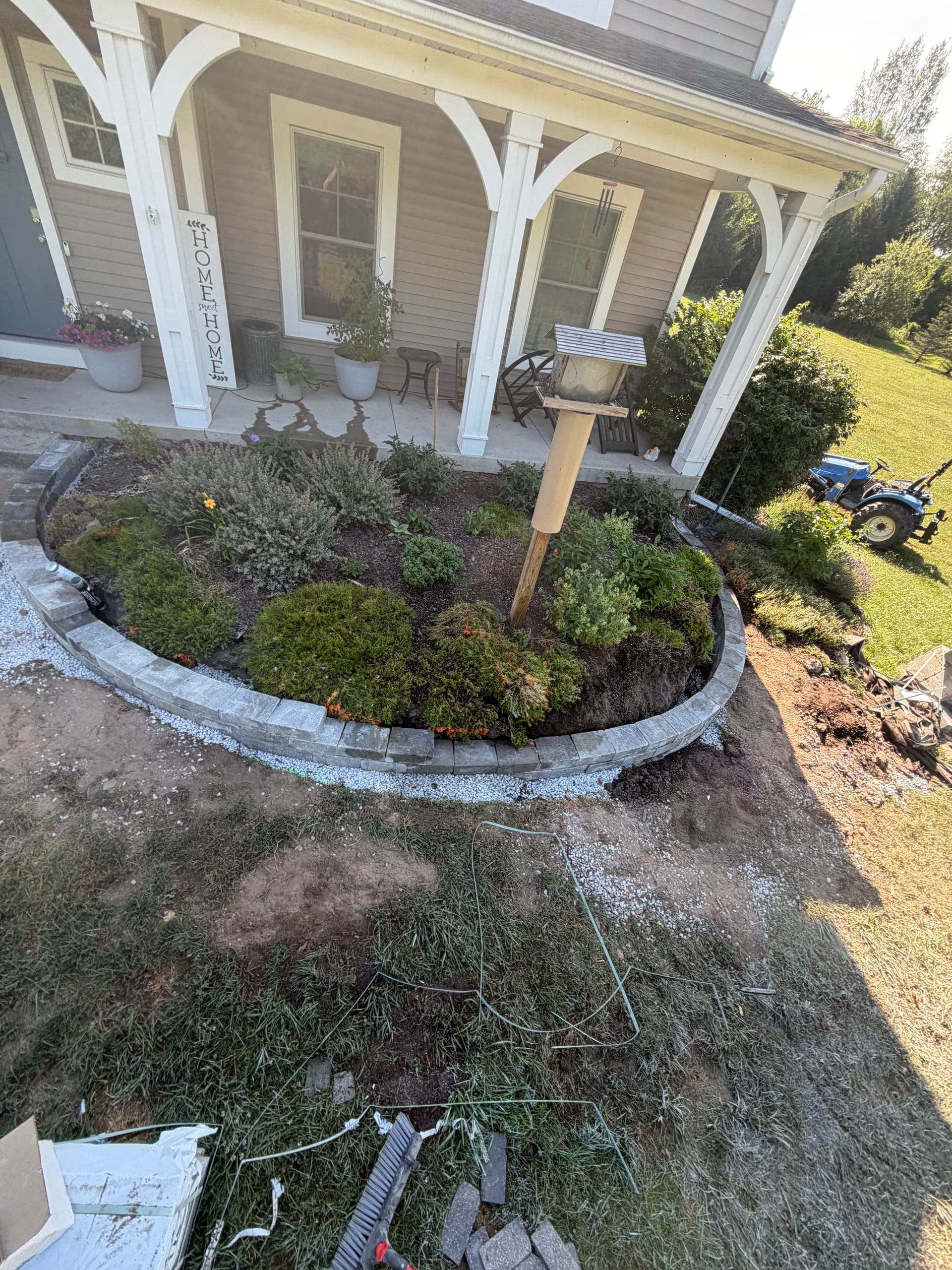
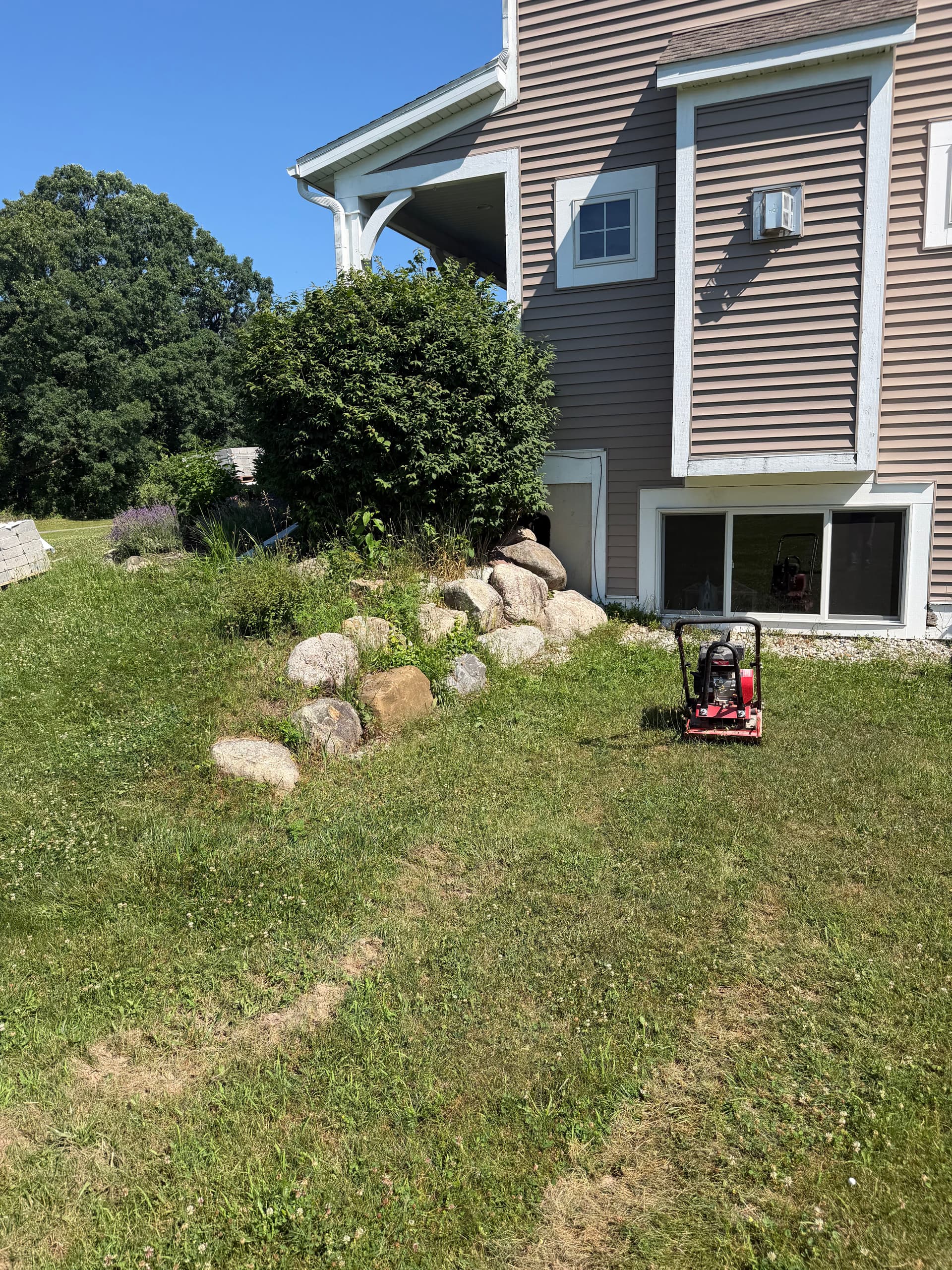
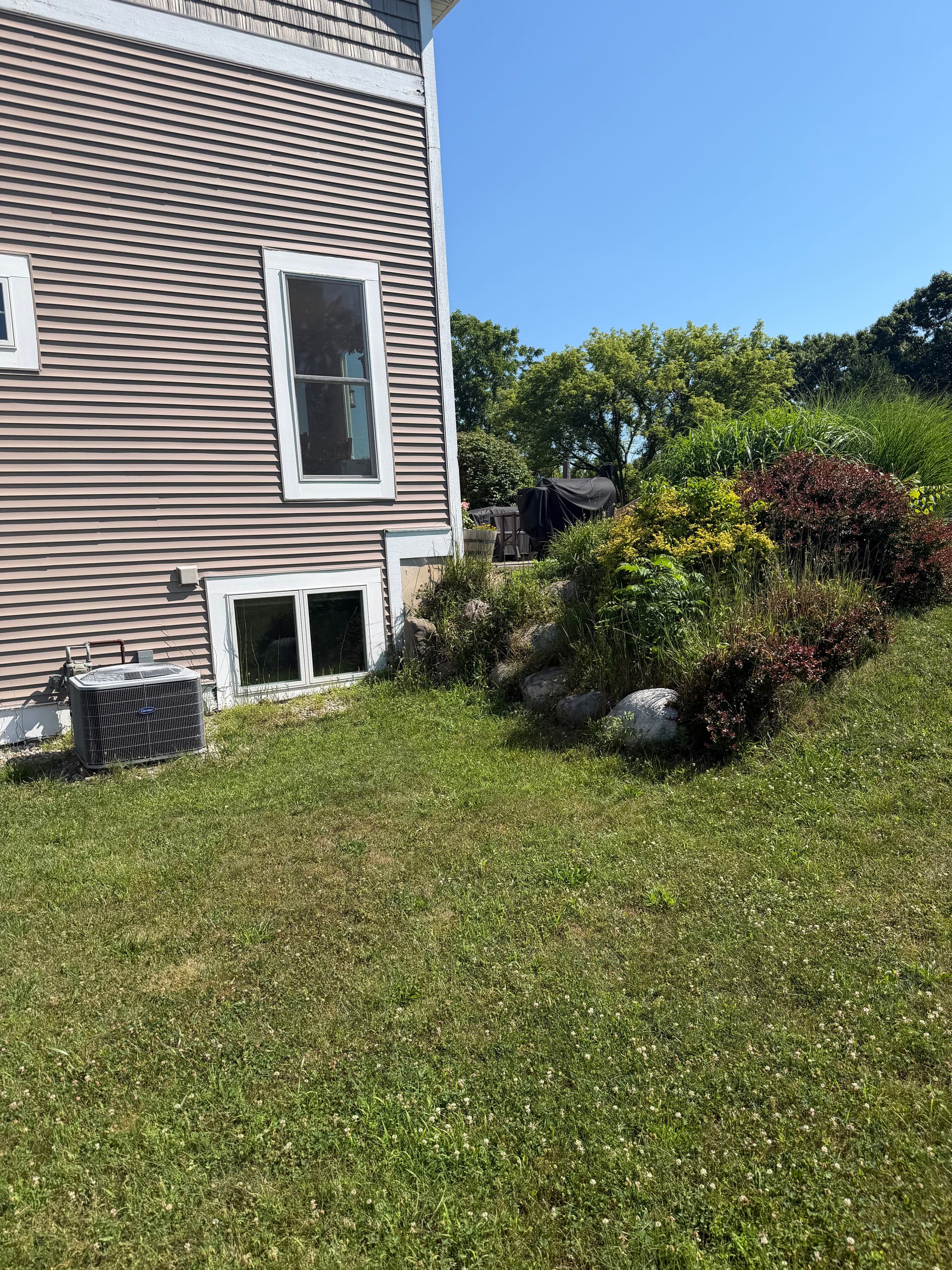
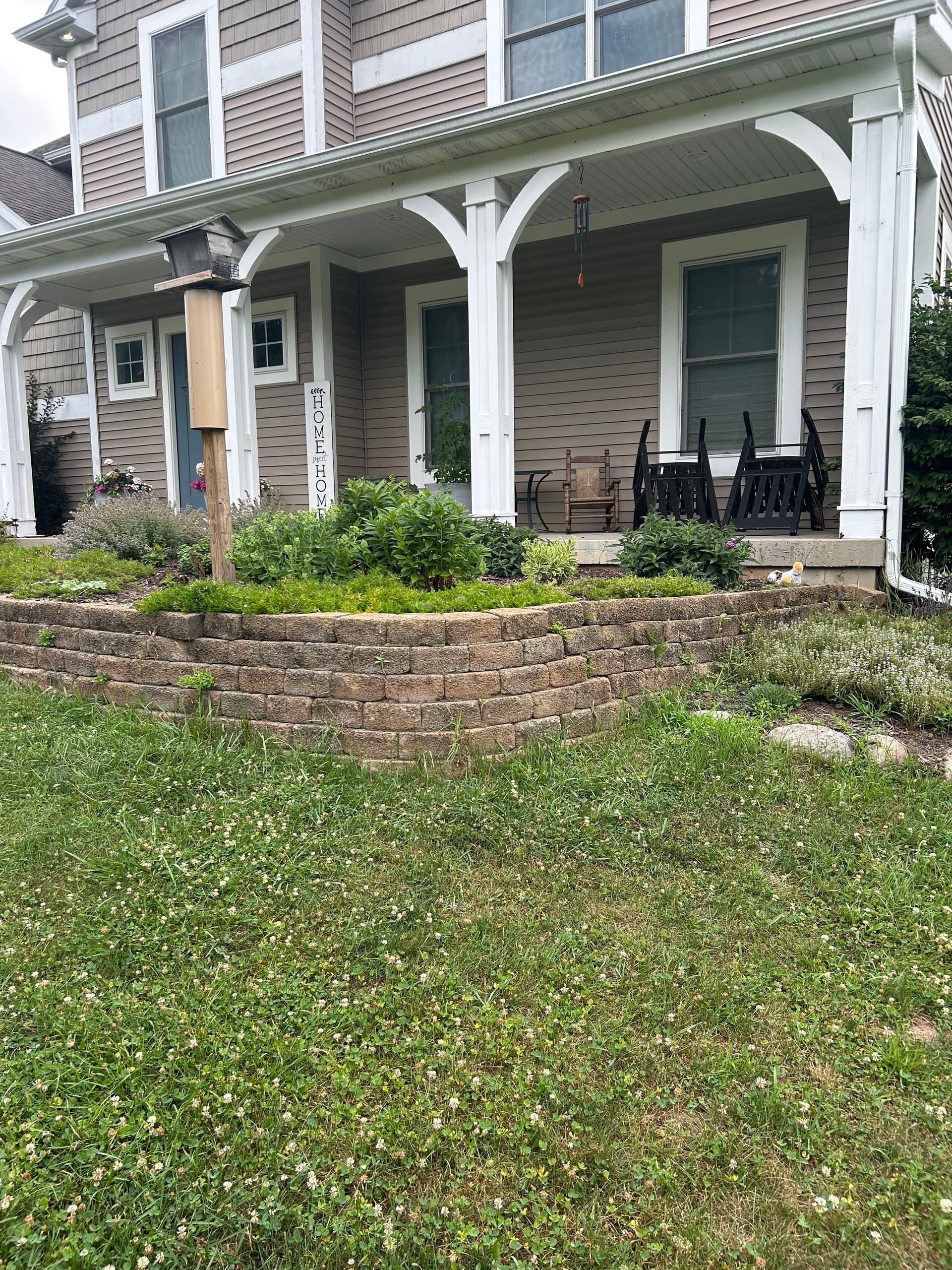
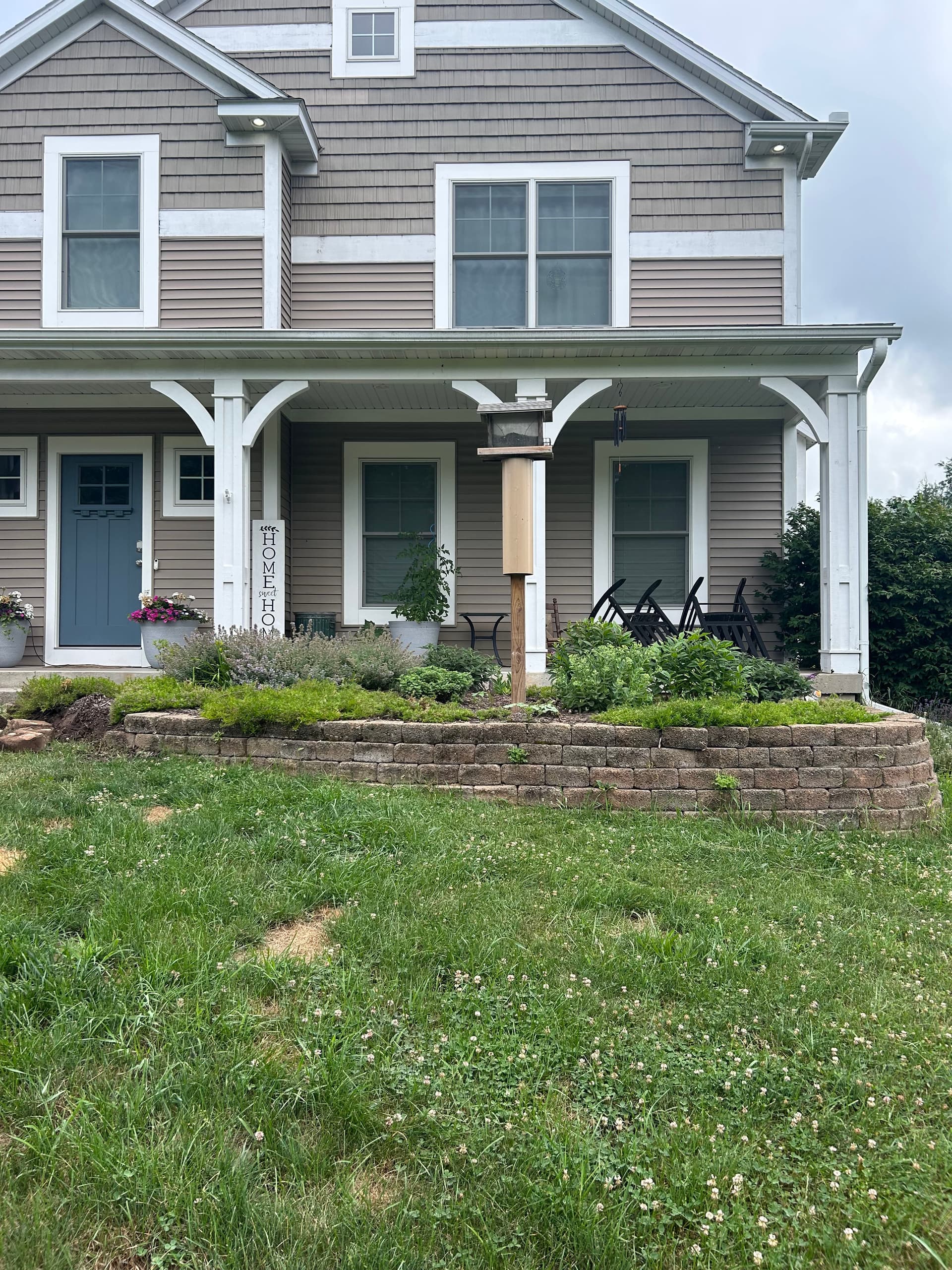
When rock walls are built too close to a home's foundation, water has nowhere to go - and it goes straight to the siding. That's exactly what was happening here. The original walls were sitting right up against the house, trapping moisture and creating a drainage problem that was only going to get worse over time.
We pulled both walls back and rebuilt them from the ground up. Moving them out gave the home proper breathing room and allowed water to drain away from the foundation the way it should. It sounds straightforward, but the positioning of a retaining wall matters a lot more than most people realize. Too close, and you're funneling water toward your home every time it rains.
While we were already on site, we also tore out an old failing mulch bed wall out front and replaced it with a fresh block wall. The front bed wall had clearly run its course - worn down, losing its shape, and not doing its job anymore. The new curved block wall wraps cleanly around the planting bed and sits at the right height to actually hold everything in place.
Sometimes a repair just isn't the right call. When a wall is in the wrong spot or has deteriorated past the point of patching, rebuilding it correctly is the move that protects your home long-term. We see a lot of walls that were installed with good intentions but without the right drainage plan behind them - and this was a solid example of that.
If your retaining wall is showing signs of failure - shifting, leaning, crumbling, or sitting too close to your home - it's worth getting eyes on it sooner rather than later. These problems don't fix themselves, and the longer water is working against your foundation, the bigger the repair becomes down the road.